Paula Scher and The Public Theatre.
Art direction plays a critical role within contemporary graphic design practice, shaping how visual communication is conceptualised, developed, and experienced. An Art Director is responsible for defining the visual strategy of a project, ensuring that design elements such as typography, colour, layout, and imagery communicate a clear and cohesive message. Unlike designers who focus on creating specific visual assets, the art director leads the creative vision, guiding how ideas are visually expressed and experienced by audiences. This role is essential in ensuring that branding and advertising campaigns are not only visually effective but also emotionally and culturally impactful.
It is important to distinguish the Art Director from other roles within the creative structure. The Creative Director oversees the broader conceptual vision of a campaign, setting the overall direction and message. The Art Director focuses specifically on creating this vision into a visual language. The Senior Designer is responsible for producing and refining design outputs, working under the guidance of the art director. Whereas, the Account Director manages the client relationship, focusing on communication and business objectives rather than creative execution. This distinction highlights the art director’s unique position as both a creative leader and visual strategist, bringing together conceptual thinking and practical design implementation.
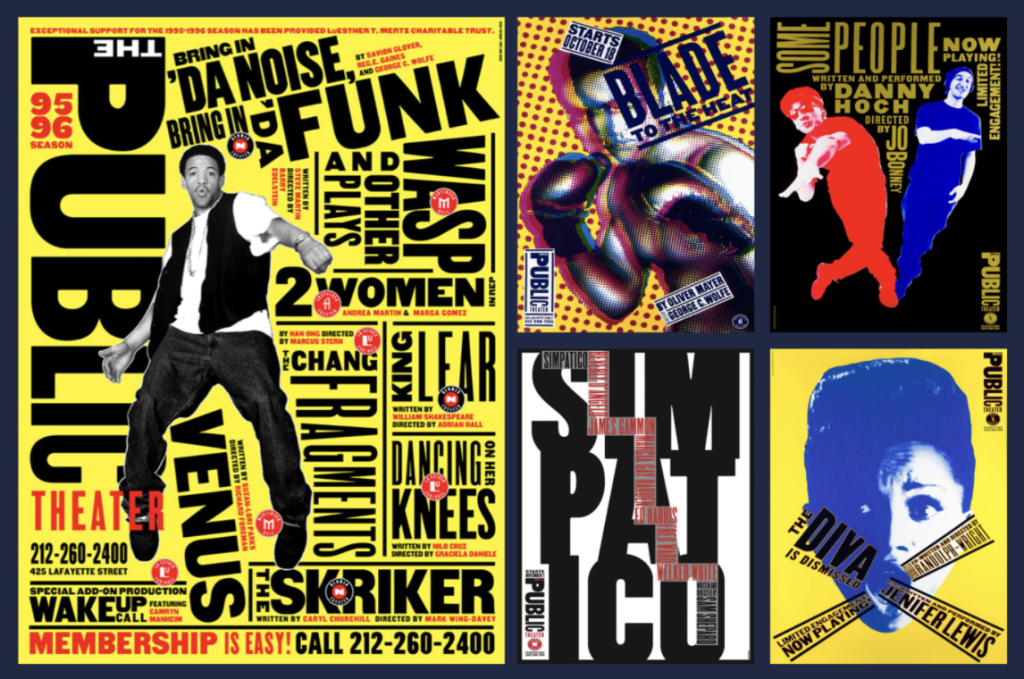
A significant example of art direction within contemporary design practice can be seen in the work of Paula Scher at Pentagram, particularly her identity system for The Public Theatre in New York. Scher’s approach redefined how cultural institutions communicate visually, using bold typography, high contrast colour palettes, and dynamic compositions inspired by street posters and urban visual culture. Her art direction put accessibility and energy first, making theatre feel engaging, inclusive, and relevant to contemporary audiences. The layered typography and expressive layouts created a distinctive visual identity that could be applied consistently across posters, environmental graphics, and digital platforms.
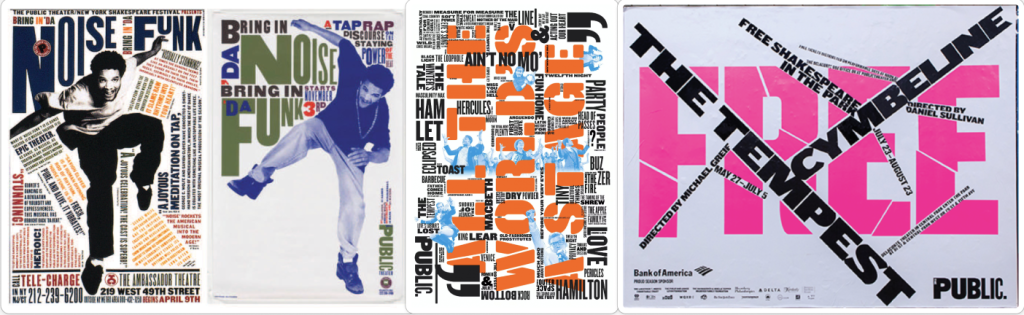
The impact of Scher’s art direction was quite significant, transforming The Public Theatre’s public image and increasing its cultural visibility. Her work demonstrated how visual identity can influence audience perception, shifting theatre from being perceived as exclusive or traditional to something unique and accessible. This highlights the power of art direction in shaping brand identity and emotional engagement. By establishing a clear and recognisable visual language, Scher ensured that the theatre’s identity was memorable and culturally relevant.
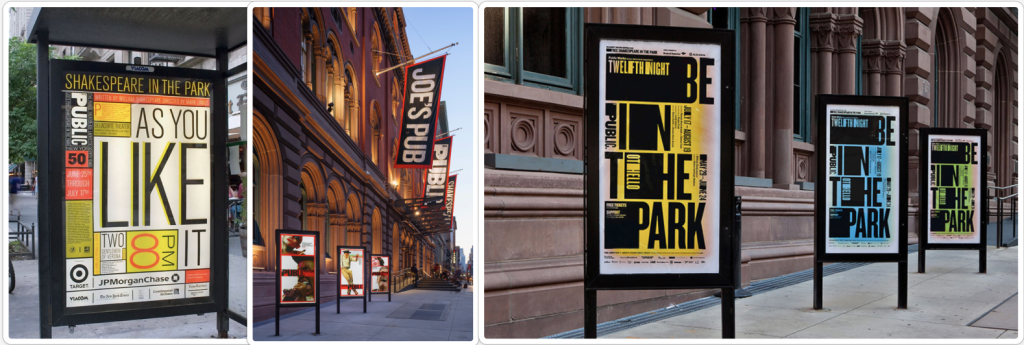
Art direction remains an essential role within contemporary design practice because it shapes how audiences connect with brands, organisations, and cultural experiences. Strong art direction ensures that visual communication is not only functional but meaningful, creating emotional connections and influencing perception. Campaigns and identity systems, such as Scher’s work for The Public Theatre, demonstrate how art direction can lift branding beyond simple communication, transforming it into a powerful visual and cultural experience. This reinforces the importance of the art director as a key creative leader responsible for defining how ideas are visually communicated and understood within modern design practice.
References
Behance (2025) Paula Scher’s “Bring in ‘Da Noise, Bring in ‘Da Funk” poster series for the Public Theater Available online: https://www.behance.net/gallery/8323695/Paula-Scher-Inspired-Steve-Aoki/modules/62683321 [Accessed 24/2/26].
Andy Clarke (2021) A book for your inspiration collection: Paula Scher Available online: https://stuffandnonsense.co.uk/blog/a-book-for-your-inspiration-collection-paula-scher [Accessed 24/2/26].
Richard Baird (2018) Free Shakespeare In The Park 2018 Available online: https://fontsinuse.com/uses/21814/free-shakespeare-in-the-park-2018 [Accessed 24/2/26].